If you’re looking at improving your home’s performance when it comes to saving you money, you’ve probably seen advice on how better home insulation improves energy efficiency. But how does it work? Today we’ll look at how installing additional home insulation can reduce your utility bills, and how it can improve your home comfort and health, both on its own and alongside other home performance options.
How Home Insulation Reduces Utility Bills
Installing additional and replacing home insulation is one of the three most cost-effective energy efficiency renovations you can do to your home, but why? It’s all about limiting heat transfer between your home’s interior and exterior. Two major factors are at play:
Your Home’s Thermal Barrier
Insulation acts to block the flow of heat into or out of your home, depending on the season. Insulation works alongside your building’s envelope to keep what happens outside your home from bothering your comfort or requiring your heating or cooling to turn on.
Insulation Reduces HVAC Strain
Second, insulation makes your HVAC systems more efficient, so they run less and wear out more slowly. In fact, it’s sometimes more cost-effective to replace insulation than it is to replace an ailing HVAC system, in terms of efficiency.
Additional Benefits of Home Performance Insulation
Of course, the benefits of adding additional insulation and other home performance measures aren’t just reducing home utility costs, but also improving the health and comfort of you and your family. This can include:
- Increased Indoor Air Quality: When installed properly, insulation can also help with drafts and moisture buildup, reducing allergies and mold issues. This can be improved by adding enhanced ventilation to keep air from getting stale.
- Reduced Hot & Cold Spots: Insulation can also be targeted to specific rooms and areas of your home to reduce hot and cold spots, meaning fewer rooms that become unusable during the seasons or run up the utility bill.
- Environmental Noise Reduction: Insulation, alongside air sealing and weatherstripping, can reduce the draftiness of your home and dampen outdoor sounds, meaning a quieter and more peaceful home.
The Best Places in a Home for Additional Insulation
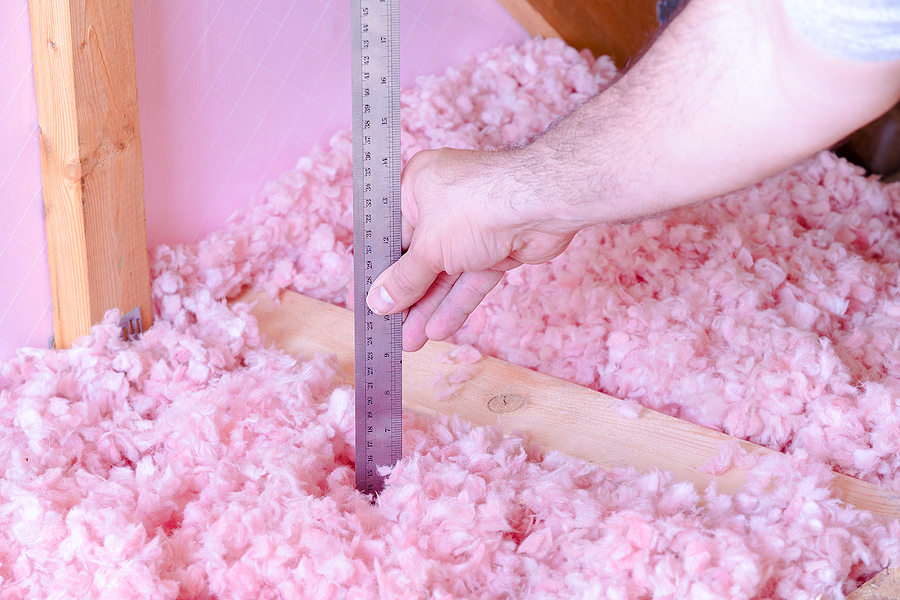
While it can differ from home to home, and you should have an energy audit to properly diagnose uninsulated or underinsulated parts of your home, the typical areas for more insulation installations are attics, crawlspaces, basements, and garages. These areas are often outside the main living space, may lack climate control, and are affected by the seasons more dramatically than the rest of the home. For more information, see our blog, What are My Options for Improving Home Insulation?
Insulation Installation Experts in St. Louis
At Greenmark Home Performance, we focus on making your St. Louis home more comfortable, efficient, and healthy. That’s why we offer comprehensive home evaluations before we install insulation—so you have the best options. We also provide air sealing, ventilation, and remodeling services as part of our whole home approach. Learn more about it, and then give us a call at 314-845-9144 or schedule an appointment online.