Unless you open a window or a door, most of us like our homes to be a barrier between the inside and the outside. That’s what a home’s building envelope is: the physical separator between what we consider “inside” and what we consider “outside.” Today we’ll cover what your building envelope includes, why maintaining it matters for reducing costs and protecting your home, and how home performance helps.
What is the Building Envelope of a Home?
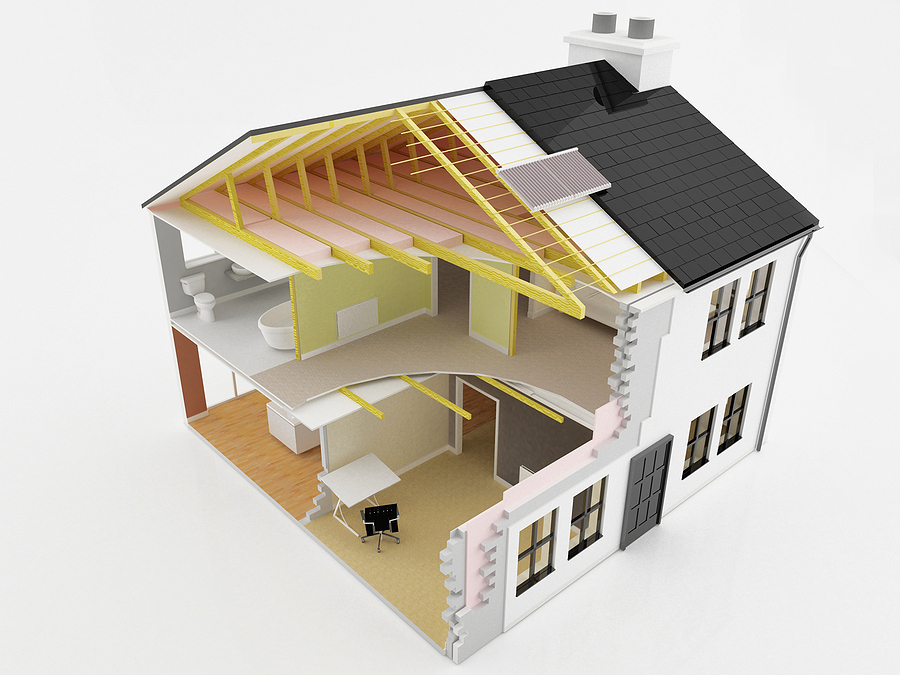
A building envelope (sometimes known as a building enclosure) is the physical separator between the conditioned and unconditioned parts of a home. This means many exterior elements don’t count, and some attached structures may not need the same protection, such as garages, crawlspaces, attics, and basements. Typically, an envelope’s condition is rated on the resistance to air, water, heat, light, and noise from entering your home.
Controlling the intrusion of damaging elements and maintaining your home’s climate is at the core of many home systems and services, including home performance.
How Home Performance Tightens Your Envelope
Home performance focuses on improving your home’s energy efficiency, comfort, and health, with many envelope-tightening aspects falling under energy efficiency. These can include:
- Air Sealing & Weatherization: Throughout your home, gaps, holes, and cracks let air leak out of—or into—your home. Air sealing uses caulking, weatherstripping, and other methods to seal them up.
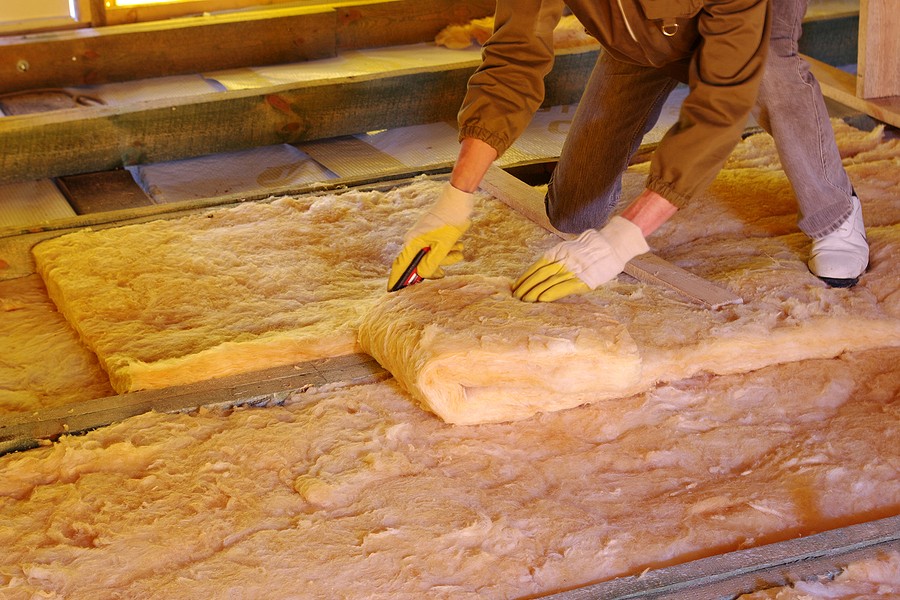
- Insulation Installation: Keeping the ideal temperature inside your home (and not leaking out or in) requires home insulation, perhaps better than you currently have. Attics, basements, and crawl spaces may need more or replaced insulation.
- Door & Window Replacement: A major gap in your envelope is your home’s doors and windows. They may need replacement, including ones with better weather sealing and insulation for improved performance.
To learn more, see our post, What is Home Performance and When Do You Need It?
There are other ways to improve your home’s envelope outside of home performance, such as roof replacement, new siding, and foundation waterproofing, though some home performance companies will offer one or more of these services.
Balancing Air Sealing, Insulation, and Ventilation
As Jack Hébert of the Cold Climate Housing Research Center once said, “Build tight, ventilate right,” when referring to home performance retrofits. This means creating a tight home envelope while installing ventilation systems to prevent issues like poor air quality, humidity, and mold growth. Many home performance companies focus only on efficiency, while ignoring ventilation issues or improvements that can improve a home’s comfort and health.
Build Tight, Ventilate Right in St. Louis with Greenmark
Here at Greenmark Home Performance, we know that the best home performance isn’t just about sealing up your home, but improving air quality and comfort through ventilation improvements. That’s why we start with a home evaluation combining an energy audit and air quality screening to fully diagnose your home’s issues. Learn more about our air sealing, insulation, and ventilation services, then contact us today or call (314) 845-9144.