Whether you’re looking to get a hood installed as part of a kitchen remodel or your current one just isn’t working, the benefits of getting a new kitchen range hood extend beyond cooking to the health and comfort of your home with better indoor air quality—but only if you get the right one. Today we’ll look at kitchen air quality and the specifications your new kitchen hood needs to handle whatever your cooktop throws at it.
Air Quality in the Kitchen
Before we talk about the specifications to look for in a range hood for your kitchen, let’s talk about why you’d want one and how your current one may not be up to the task. When you use your cooktop, you create a plume that can carry moisture, smoke, and odors you don’t want in your home, all of which can affect air quality and comfort.
- Moisture: Boiling water is one of a cooktop’s essential uses, from making tea to cooking pasta. If that moisture can’t be captured, it can condense in your kitchen or vents and lead to mold growth.
- Smoke: Whether you’re charring a steak or burning dinner, cooking can release smoke into the house, which impacts air quality. Plus, if you’ve got a proper hood, you can deal with the source before the smoke detectors go off.
- Odor: Just because your seafood dinner is delicious doesn’t mean you want the whole house to smell like fish. Proper ventilation means just tasty aromas instead of lingering stenches. It’s one of the hidden benefits of home performance renovations.
Learn more about how these factors impact health and comfort in our blog, Dealing with a Stinky House: Odor and Air Quality Issues.
Getting a New Range Hood: What to Look For
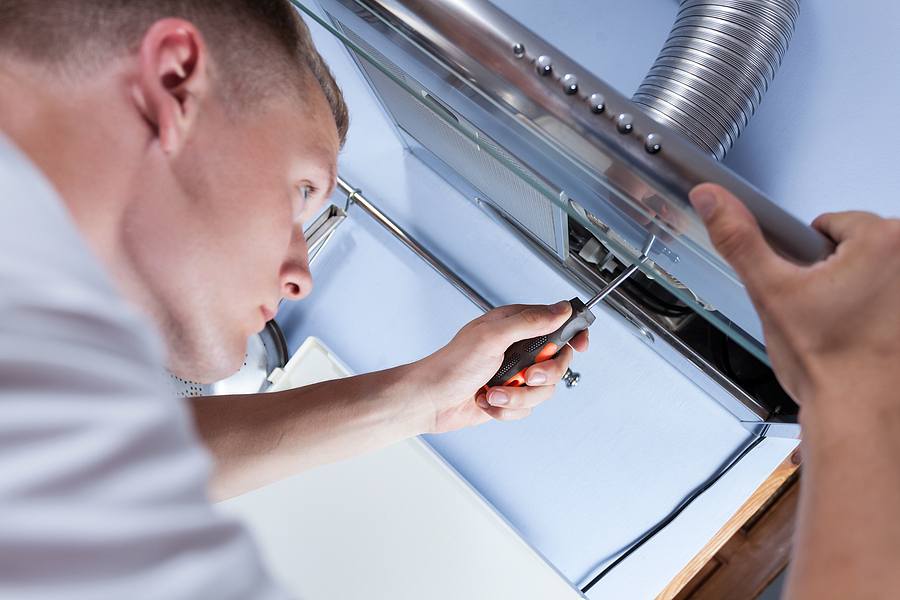
Not all hoods are a good fit for your kitchen, and it’s not just the hood itself that may need to be installed. Ventilation—both pulling away the cooktop plume and replacing the air it takes—is important to performance. Here are factors to consider.
- Plume Capture: First, the hood needs to be physically big enough to capture the cooking plume. As a rule of thumb, this means about two inches beyond the cooktop.
- Ventilation Out: Second, you’ll need enough ventilation and airflow to pull the plume away. Depending on your current setup, you might need more ventilation installed.
- Replacement Air: With the amount of air pulled out when the range hood is on, you may need to replace that air (air makeup). Having a mechanical damper installed alongside the hood can automatically bring air back into the kitchen.
- Hood Height: As long as you have the right size and ventilation, you won’t need to lower your hood’s height in a way that will impact your cooking. This is why it’s so critical to consider and improve all the factors, not just the easiest.
The factors above are why, when you’re thinking about doing a kitchen remodel, it pays to consult with a home performance expert to make sure you’ve got function as well as form.
Your St. Louis Home Performance Kitchen Remodelers
At Greenmark Home Performance, we help get the most out of every room, especially the kitchen. Whether you need a new hood, a performance overhaul, or related services like cleaned ductwork or replaced HVAC, we can help. We’ll do a complete home evaluation and energy audit to identify issues and incorporate solutions into your project. Contact us online or call us at (314) 845-9144 to get started. We also do bathroom remodels and full home renovations with home performance in mind.