No homeowner wants mold growing in their home, but the circumstances that lead to it aren’t always clear. Today, we’re going to talk about the key conditions for mold in homes: temperature and moisture. We’ll look at how mold forms, the issues mold spores can cause to your health, and how home performance improvements, like ventilation, can address the root causes of mold growth while also improving comfort and health.
Mold Requires Certain Conditions to Form
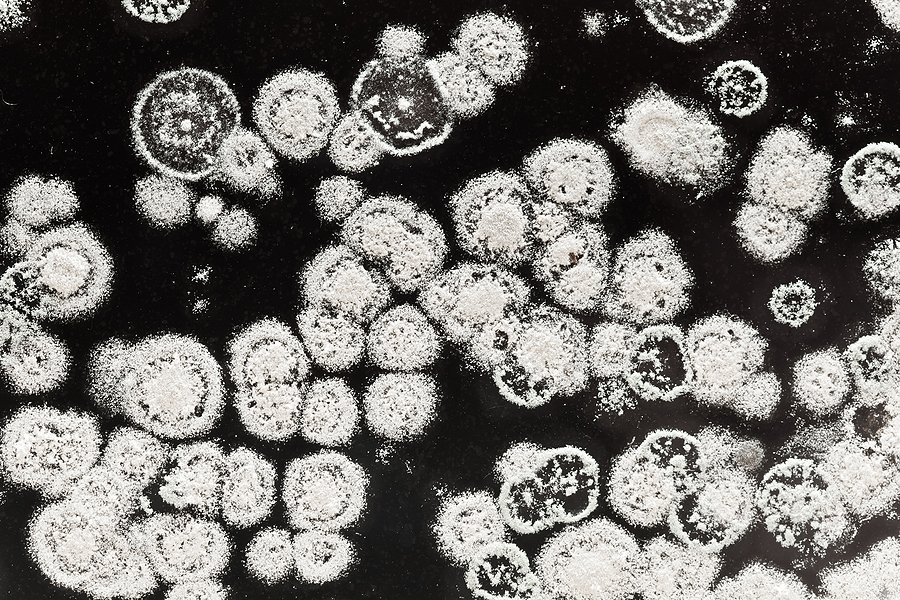
Mold growth happens when mold spores find places in your home that are wet, undisturbed by normal human activity, and allowed to flourish. While certain major circumstances, such as flooding or a leaking foundation, can cause excess water in your home, the most common source of water is the air. When humidity and moisture levels are high in the air, water can condense when temperatures shift, depositing water and creating a place for mold to start growing.
Mold Issues: Health and Air Quality
Left unchecked, mold growth can dramatically reduce your home’s air quality and, depending on the type of mold, can cause significant health concerns. Many mold spores can cause allergic reactions in people, either immediately upon exposure or delayed. These can be similar to hay fever, with symptoms such as sneezing, a runny nose, red eyes, and a skin rash, and sensitive individuals may have stronger reactions. Some types of mold can also produce toxic spores that can create significant health consequences.
Mold Growth Issues are Ventilation Issues
These two issues, high moisture levels in your home and places where cold and hot air meet, are ventilation issues. Below are some common sources of these two problems that can combine to create ideal conditions for mold growth.
- Bathroom Ventilation: Every time you run the shower, you’re releasing large amounts of both heat and moisture into the air. This air needs to be dealt with before it can condensate on services, typically through an exhaust fan.
- Kitchen Ventilation: Much stovetop cooking also produces a lot of heat and moisture, from boiling water to oven cooking. The use of a strong stovetop hood is vital to improving ventilation (and reducing odor).
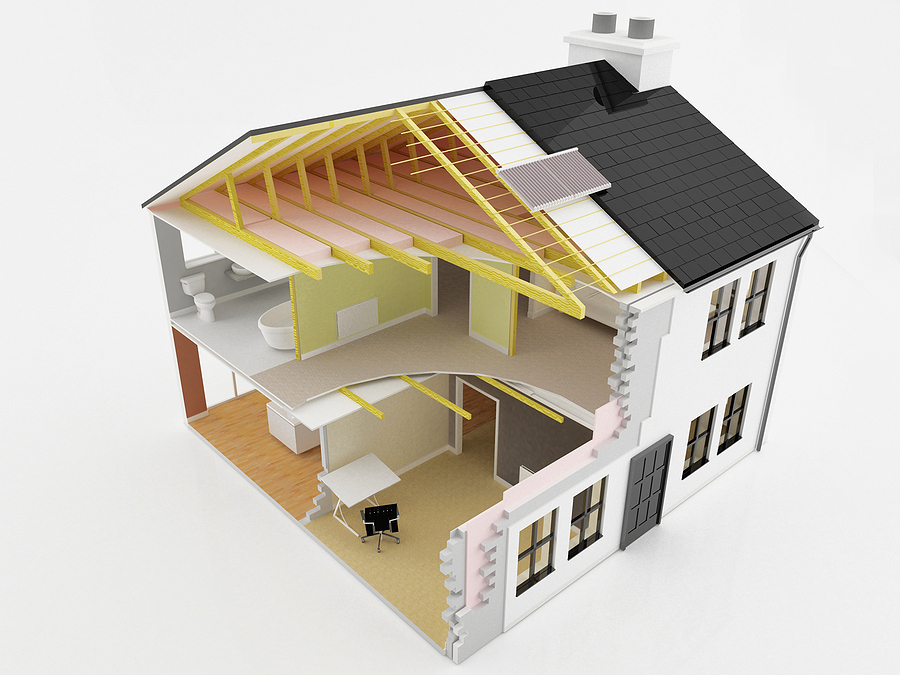
- Hot & Cold Air Mixing: It isn’t just the moisture that’s the issue; it’s the combination of hot, water-laden air meeting cold air and surfaces, which forms condensation. Proper ventilation (and insulation) is about making these conditions difficult to form.
Want to learn more about ventilation issues in your bathroom and kitchen? Check out our blog, Do You Need More Ventilation in Your Bathroom & Kitchen?
Your St. Louis Ventilation & Air Quality Experts
At Greenmark Home Performance, we believe in not only stopping the conditions mold can form under, but also improving your health, comfort, and home’s energy efficiency through better ventilation and other home performance improvements. Starting with a home evaluation, we’ll locate potential issues and create a plan to address them. Start your estimate today or call us at (314) 845-9144 to get started.