An energy audit is the first step to having a more energy efficient home, but if it’s your first one as a homeowner, it can feel like a big step. Learn what to expect in an energy audit and—just as important—what to expect after. We’ll cover all the steps, including how audits work, the equipment used, and add-ons you should consider asking for to address energy losses and improve comfort and health in your home.
Steps for a Home Performance Energy Audit
Typically, your energy audit will include a before, during, and after. The first step is about preparation, including any homework your auditors assign. Then the big day. And finally, the reporting and next steps. Let’s go into detail below.
Before the Audit – Preparing Your Home
Once you’ve scheduled an energy audit, there are a few things you can do around the home to make it easier for both you and your auditor. Close and latch windows and doors, leaving blinds and drapes open. Clear attic, basement, and crawlspace entries for access during inspection. Ensure clear access to the furnace, water heater, and HVAC systems. And collect energy, gas, and heating oil bills for the last 12 months.
During the Audit – Parts of an Energy Audit
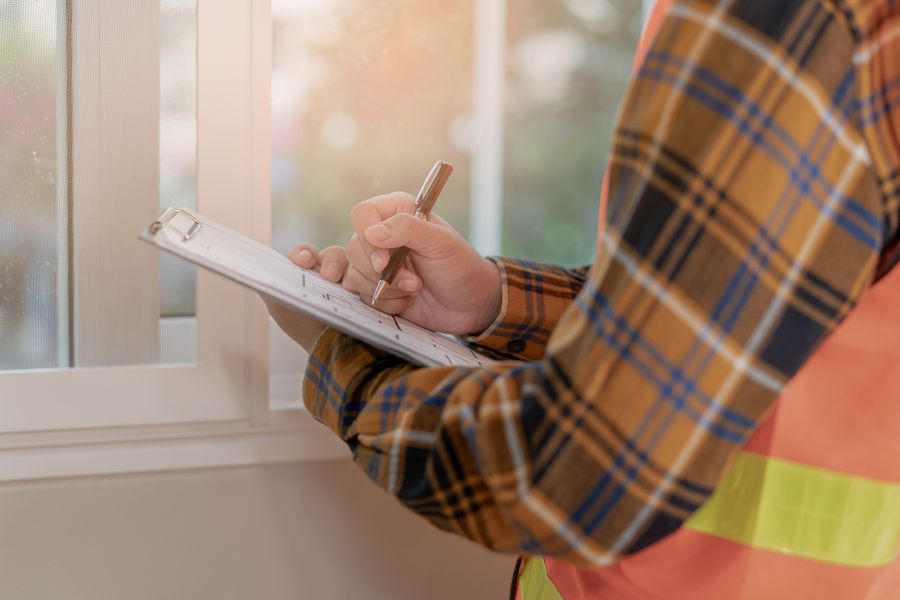
When the big day comes, your home performance expert will show up. A home performance auditor won’t show up empty-handed; they’ll bring an exhaustive checklist and equipment such as door blowers and thermal cameras. Typically, an energy audit will include:
- Exterior Home Inspection: This includes doors and windows (especially their frames) for air and heat loss and other building envelope problems.
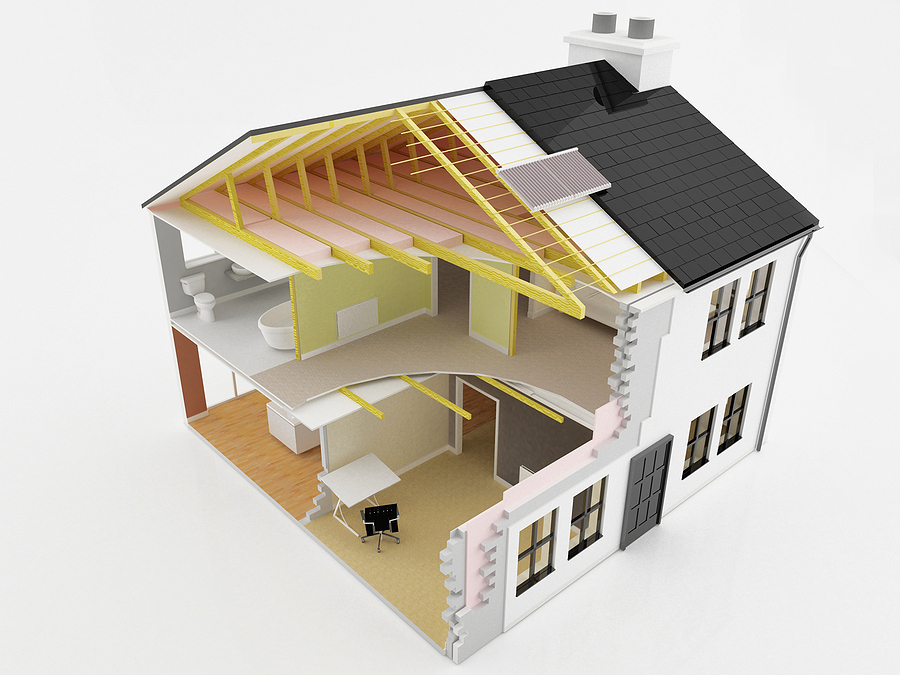
- Insulation Inspection: They will inspect the walls, floors, and roofs, including a full attic inspection for issues with current insulation installations and any other issues.
- Reviewing Heating and Cooling Systems: HVAC units and furnaces need to be inspected for efficiency and issues related to their lifespan or lack of maintenance.
- Duct Work Inspection: Ducts are the workhorse of your heating and cooling systems but are often neglected. Efficiency and possible issues will be checked.
- Testing for Air Leaks: A blower door unit will gently depressurize your home, allowing auditors to track air leaks that let heat and cooling escape.
- Thermal Imaging: Thermal imaging cameras will be used to pinpoint areas of energy loss around your home, including hot and cold spots.
After the Audit – Receiving an Energy Audit Report
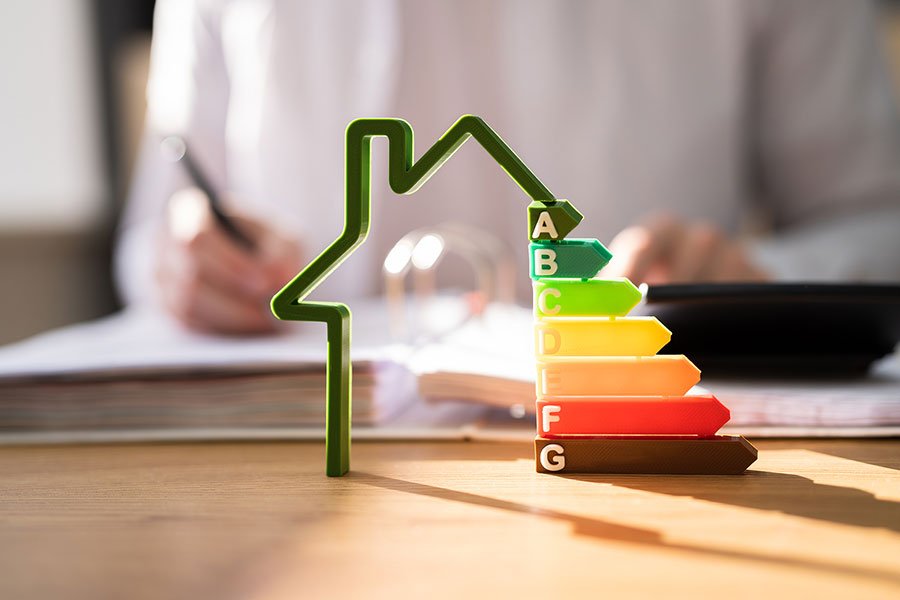
After all this testing and inspection, the real magic happens: not only do you learn about any major issues found, but also the small issues that can add up. A good energy audit doesn’t just produce a report with a home rating, but also your most cost-effective solutions to improve energy efficiency. Your home energy audit should review the findings with you and answer any questions that you have.
Adding Air Quality Testing with a Home Evaluation
One large gap that energy audits don’t cover is air quality testing. While energy audits may uncover mold growth and ventilation issues during the inspection, they don’t actively test the air for pollution. This is the major difference between an energy audit and a home evaluation. By combining air quality testing with your energy audit, not only will you be able to save money, but you’ll improve the health and the comfort of your home.
St. Louis Energy Audits and Home Evaluations
At Greenmark Home Performance, we’re proud to offer complete home evaluations in the St. Louis area. Efficiency, health, and comfort are the pillars on which we base our business, and rest assured that at the end of our evaluations, we’ll provide a full report of our findings and walk you through everything, including your best options for home performance. Schedule your home evaluation today or call us at (314) 845-9144 to get started.