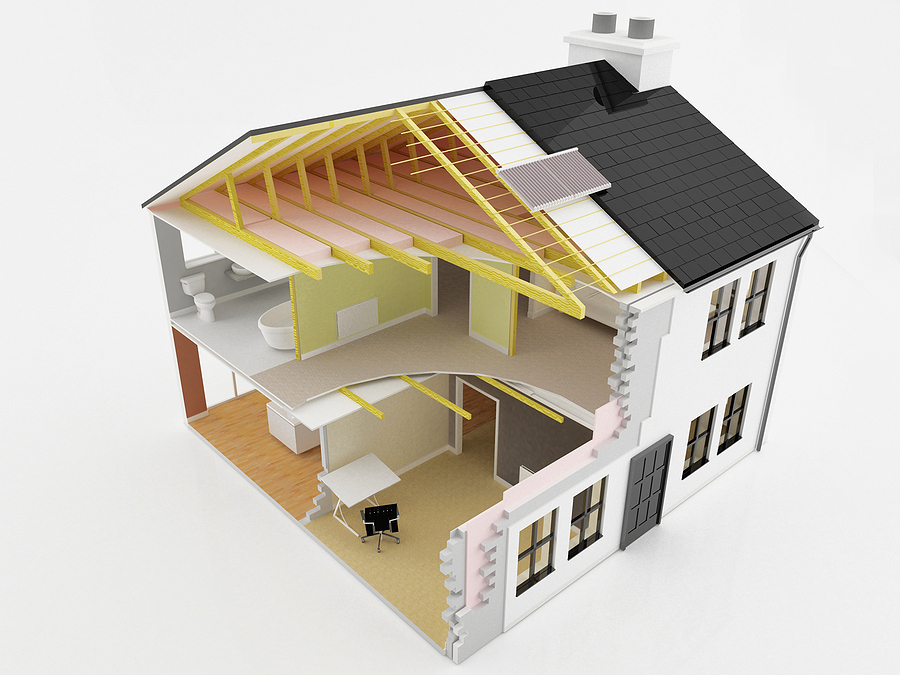
If you’re dealing with higher energy bills, reviewing your home insulation is a top option for improving energy efficiency and home performance. And at the top of that list should be improving attic insulation for your home. Once you get your attic inspected and choose the type of insulation to install, you’ll see quick returns on your investment through reduced heating and cooling losses in your home.
When Should You Upgrade Your Attic Insulation?
After getting a home evaluation and having air sealing done, attic insulation is usually one of the least expensive options for energy-efficiency and comfort upgrades. If you can say yes to one or more of the following, it’s time for an upgrade:
- Your Attic is Unfinished: If you’ve got an unfinished attic, that means insulation is hidden behind walls, ceilings, and floorboards, making it much more expensive. This process works best with unfinished attics, especially ones that aren’t used for storage.
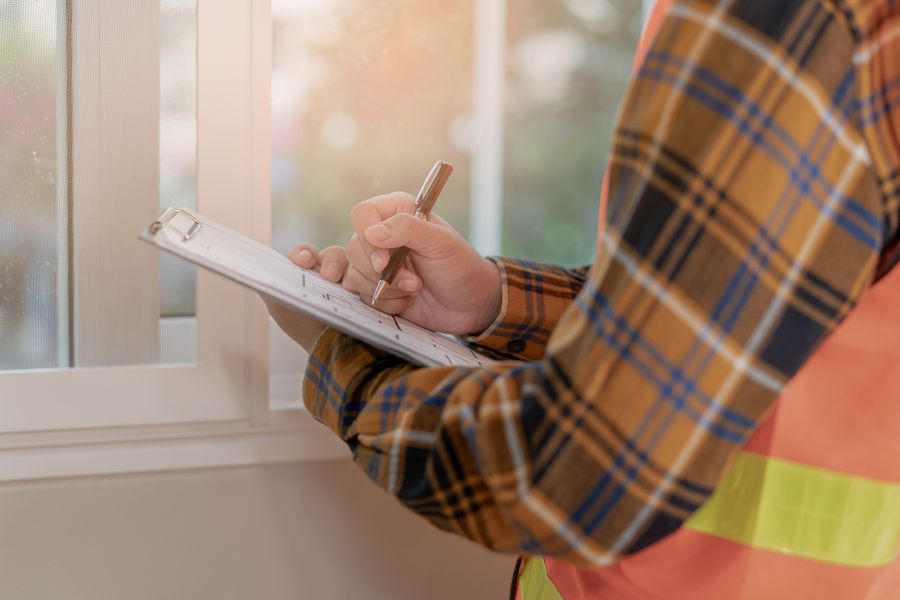
- Inspections Turned Up Damaged or Low Insulation: As part of a home evaluation or energy audit, it was found that your attic insulation is either low (below the floor joists) or damaged (e.g., water damage, mold growth, or pest nests).
- Wrong Type of Insulation: Not all attic insulation works well in all circumstances. Some work better depending on the construction of the attic and roof, while others may become less effective in certain environments. Replace them to improve insulation and avoid issues.
Most Popular Types of Attic Insulation
Installation contractors use three major types of insulation. While DIY installation is possible, insulation materials can often emit harmful chemicals without proper protective gear, and damage to the home is all too possible for those unfamiliar with working in an attic. Learn more about the types below.
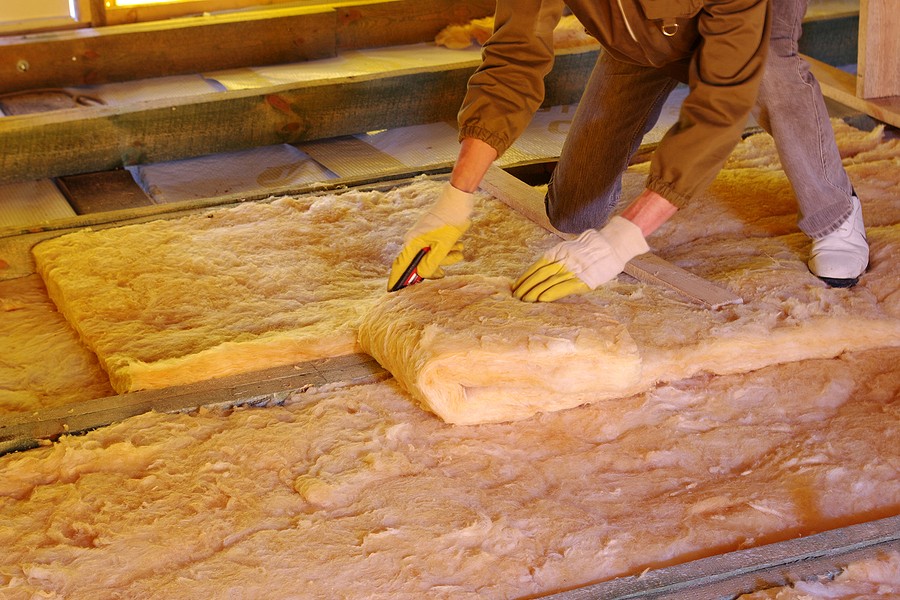
- Batt or Roll Insulation: Both types of flexible “blanket” insulation, modern batt or roll insulation, are typically fiberglass and designed to fit between trusses or rafters. A great all-rounder, it does suffer when exposed to moisture, and pests love to nest in it.
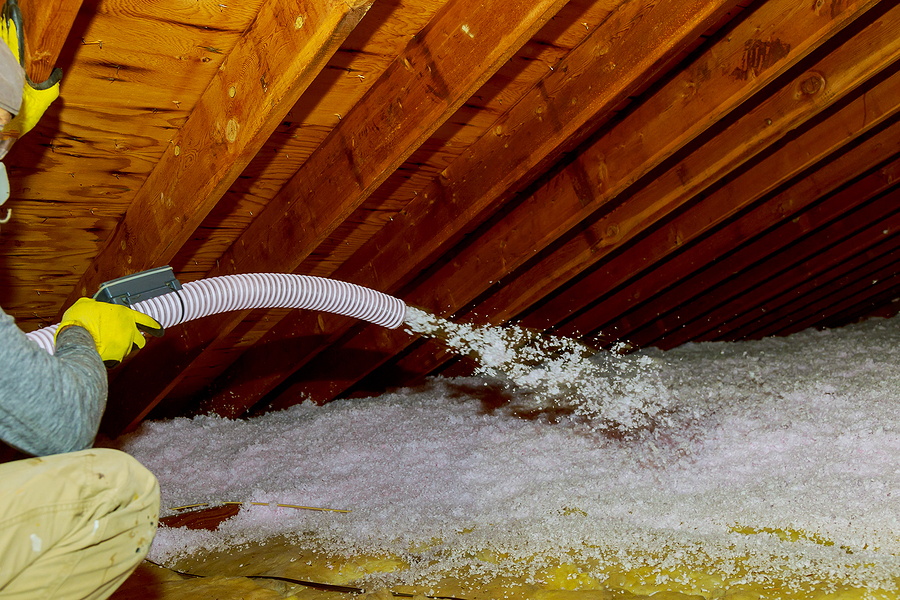
- Blow-in Insulation: As the name implies, loose insulation (typically fiberglass or cellulose) is blown into the attic to settle. It can provide a tighter seal, but requires more maintenance. Dampness and pest issues also apply to this type of insulation.
- Spray Foam Insulation: Sprayed on as a liquid, this insulation expands and hardens into a strong, high-performing insulation. While its installation is more costly, expert insulation can prevent issues such as voids where water can accumulate.
Attic Installation Contractors in St. Louis
Attic insulation is just one of the ways Greenmark Home Performance can improve your home’s insulation: learn more about it in our other post, What are My Options for Improving Home Insulation? Looking at the big picture sets us apart from the competition, starting with comprehensive home evaluations before air sealing and installing insulation—so you have the best options. We also provide air sealing, ventilation, and remodeling services as part of our whole home approach. Call us at 314-845-9144 or schedule an appointment online to get started today!