The best HVAC system in the world won’t save you money if your home is leaking all that air. Before you look at expensive exterior remodeling, you’ve got another, less expensive option: air sealing. Learn how air sealing works to make homes more energy efficient by sealing the holes, cracks, and gaps that let air leave (or enter) your home. Not only does this lead to better efficiency, but it can also help improve the comfort and health of your home.
What Does Air Sealing Do?
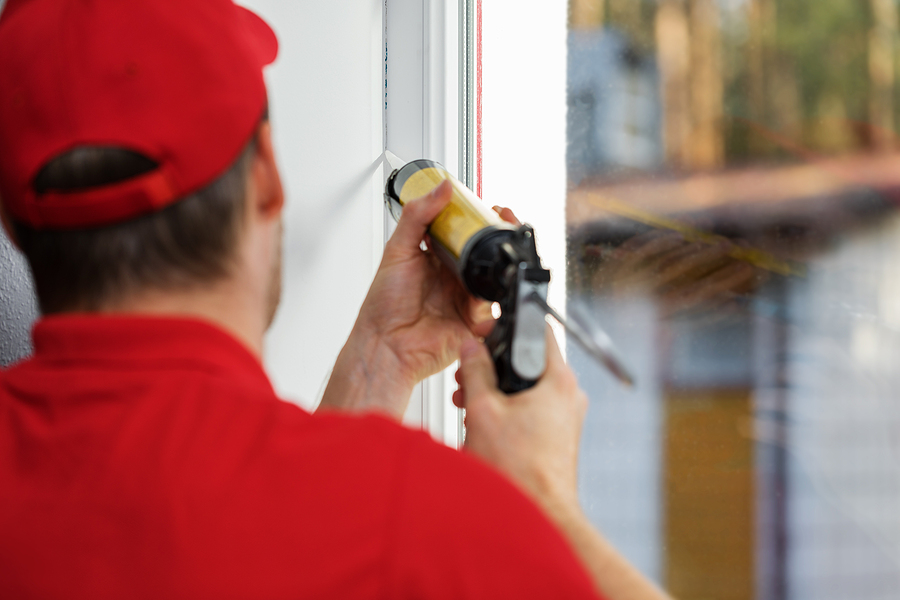
Air sealing is a home performance project that identifies places where air can leak in or out of your home (air leaks), typically done with a blower door and a visual and infrared inspection. Once found, these air leaks are noted and sealed using a combination of caulking and weatherstripping to address both static air leaks (such as holes or cracks) and those on moving components, such as doors and windows, that don’t seal properly. Sometimes, air leaks may be large enough to warrant replacement or construction work.
To learn more about air sealing, including which parts of the home most often need it, see our article, What is Home Air Sealing and Do I Need It for My House?
How Air Leaks Form in Your House
Some air leaks have been present in your home since it was built; others have formed over time due to age, accidents, and home renovations. Some examples below:
- Air Leaks from Initial Construction: A removed nail, gaps in the house wrap. There are a thousand ways gaps can form during a home’s construction. This is especially true the further you go back, as construction standards slacken.
- Home Aging & Weather Impacts: Homes age, warping, weathering, and rot create new gaps. Damage from weather, accidents, and more can also cause similar issues that lead to air leaks.
- Home Remodeling Projects: Just as with initial construction, new construction projects—especially those involving the home exterior, such as window, door, utility, and vent projects—often cause air leaks.
- Doors & Window Seals: Gaps in exterior doors and windows are common sources of air leaks. If you hear the window blowing through cracks, these are your most common culprits.
Impacts of Air Sealing on Energy Efficiency
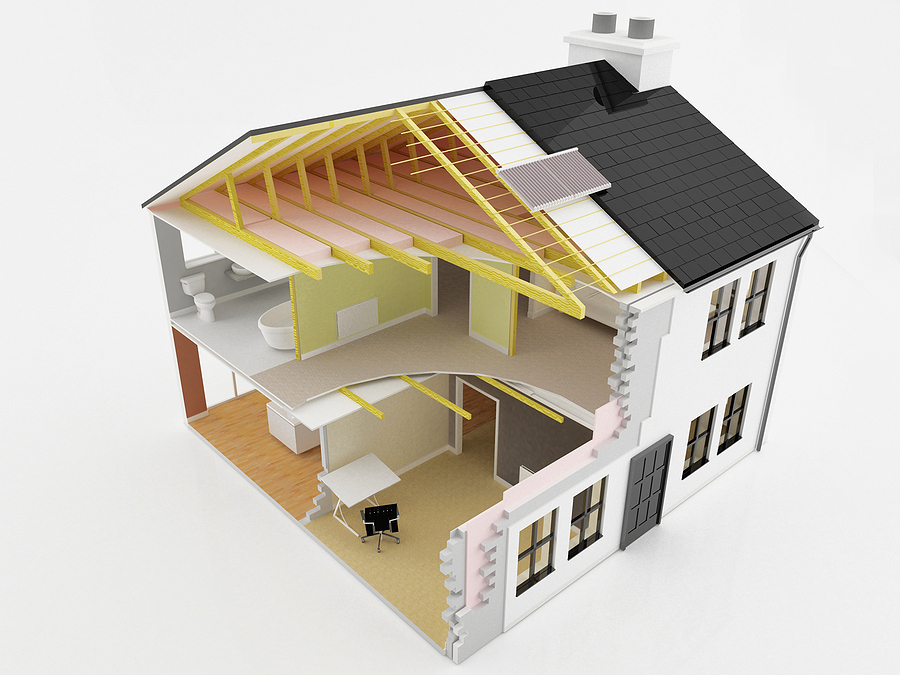
No home is airtight, but air sealing seeks to limit the amount of air leakage, as it can directly impact your indoor home environment and the cost to heat and cool your home. When your HVAC system conditions your air (heats or cools it), the last thing you want is for conditioned air to leak out of your home or for unconditioned air to leak in. Removing air leaks makes your home more efficient, especially when coupled with a whole house systems approach that includes energy audits, insulation installation, and other home improvement projects.
Your St. Louis Air Sealing Contractors
Diagnosing air leaks is just one part of Greenmark Home Performance’s full home evaluations. For homeowners in the St. Louis area, we’ll help diagnose issues with your home, perform air sealing, and provide other home performance projects that will improve your home’s energy efficiency alongside improved health and comfort. Call us at 314-845-9144 or schedule an appointment online to get started today!