Air leaks in homes are one of those little things that can add up. They can add up to higher utility bills and uncomfortable rooms with drafts or hot and cold spots. Finding air leaks can be time-consuming, so many homeowners turn to home performance experts to test their homes. But where do they look, and what are the common causes? Learn more below about where to find air leaks in your home and the solutions commonly used, including air sealing, weatherization, and insulation.
Primary Source of Air Leaks: Doors and Windows
The biggest gaps in any home are around the biggest openings: doors and windows. And it’s not just the gaps that might exist around the elements that open and close, but around the frames they’re installed in. Tackling these includes three different steps:
Detection of Air Leaks
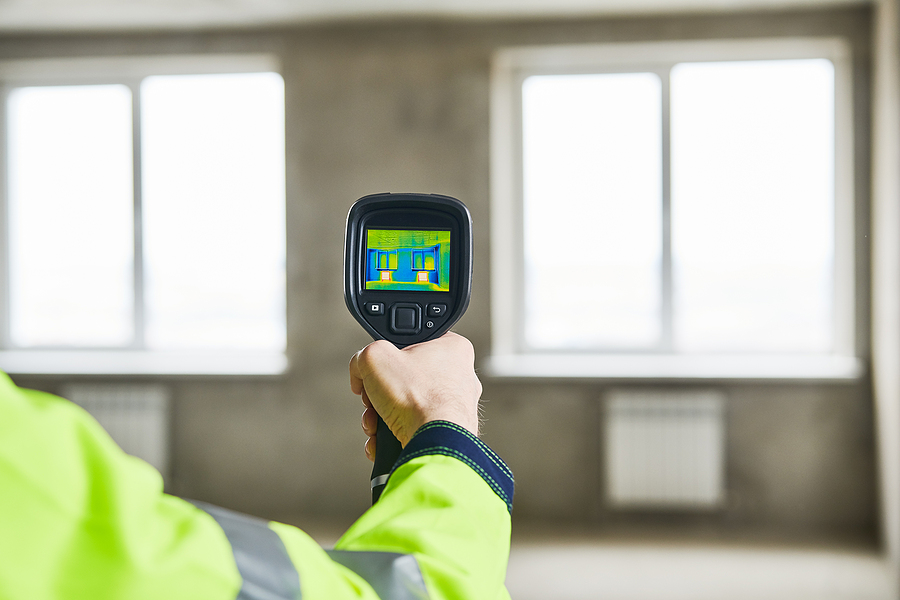
First, the leaks need to be detected. This is commonly done with two types of equipment during a home evaluation: a door blower and a thermal camera. A door blower gently pressurizes the home to make leaks more obvious, and a thermal camera can spot differences between hot and cold air as it leaks in or out.
Weatherization for Windows & Doors
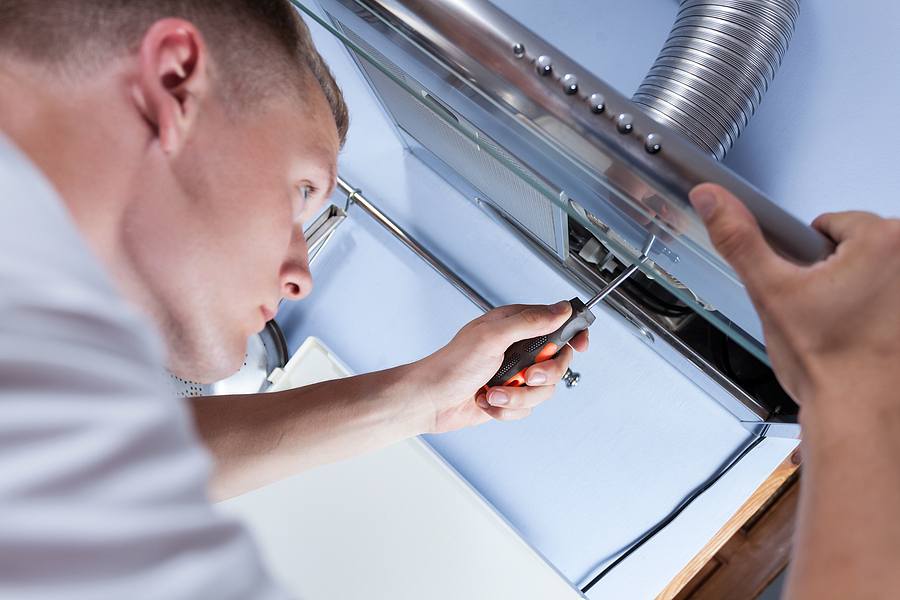
For movable components, weatherstripping such as foam, rubber, or plastic bristles can be installed along door gaps and window sashes. Depending on the design and model, additional options may be available. In certain cases, replacing doors and windows with higher energy-efficiency performance options makes the most sense, such as double-pane windows.
Air Sealing for Door and Window Frames
When it comes to cracks and holes in a home’s exterior, the frames around doors and windows are among the most likely culprits. This can happen during initial construction or after renovations that included doors, windows, and siding. Air sealing is the act of closing these leaks, commonly done with caulking.
Other Common Causes of Air Leaks in Homes
When you get a complete home evaluation, the testing mentioned above won’t just be focused on doors and windows, but other places in your home that commonly have air leaks, including:
- Basement Rim Joists: Where the foundation meets your home’s frame, basement rim joists need to be inspected for visible gaps, cracks, and drafts. They may need additional sealing and insulation, such as spray foam.
- Crawlspace and Attic Hatches: For homes with crawlspaces and unfinished attics, entrances to those areas (such as trap doors and hatches) may need additional sealing and insulated covers.
- Electrical Outlets & Light Switches: Electrical outlets, switches, and other electrical panels mounted on exterior walls can be sources of drafts. You can seal these, including using foam gaskets to block air leaks.
- Fireplace Dampers: If your home has a functional fireplace, air leaks can occur through an open flue. Properly maintaining your damper, keeping the seal intact and using a chimney balloon during inactive months, can help.
- Pipe and Wiring Holes: Utility pipes and wiring entering your home, or running through unfinished basements or attics, are another source of air leaks. The use of caulking or spray foam insulation can be used to seal these holes.
- Recessed Lighting Fixtures: Recessed lighting set into the ceiling above unfinished attics and crawl spaces can include unsealed gaps that air can leak through, especially in older homes. Baffles or insulation may need to be installed behind them.
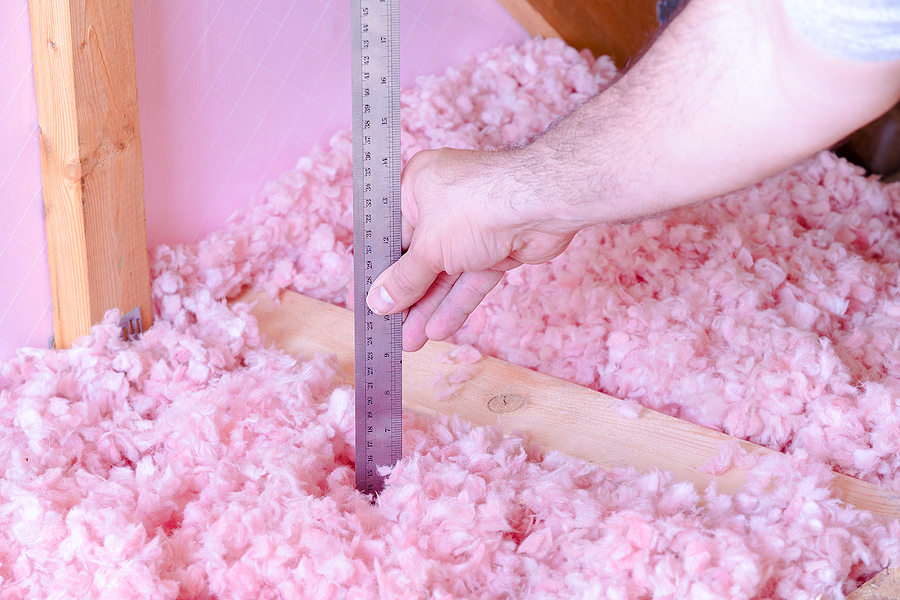
Air sealing, along with insulation and ventilation, is one of the three most cost-effective options for home energy efficiency renovations.
Air Leak Solutions for St. Louis Homes
Diagnosing and solving air leaks is just one part of Greenmark Home Performance’s full home evaluations and home performance solutions. For homeowners in the St. Louis area, we’ll help diagnose issues with your home, perform air sealing, and provide other home performance projects that will improve your home’s energy efficiency, health, and comfort. Call us at 314-845-9144 or schedule an appointment online to get started today!