When it comes to dealing with issues of health, comfort, and energy efficiency in the home, ventilation is often the first recommendation of home performance experts. Many houses, both newer ones with HVAC systems and older homes that have been retrofitted for today’s comfort and climate, suffer from issues related to airflow, air quality, and humidity. When possible, we recommend whole home ventilation. Learn what is whole home ventilation and how it can be installed in your home.
Understanding Whole Home Ventilation Works
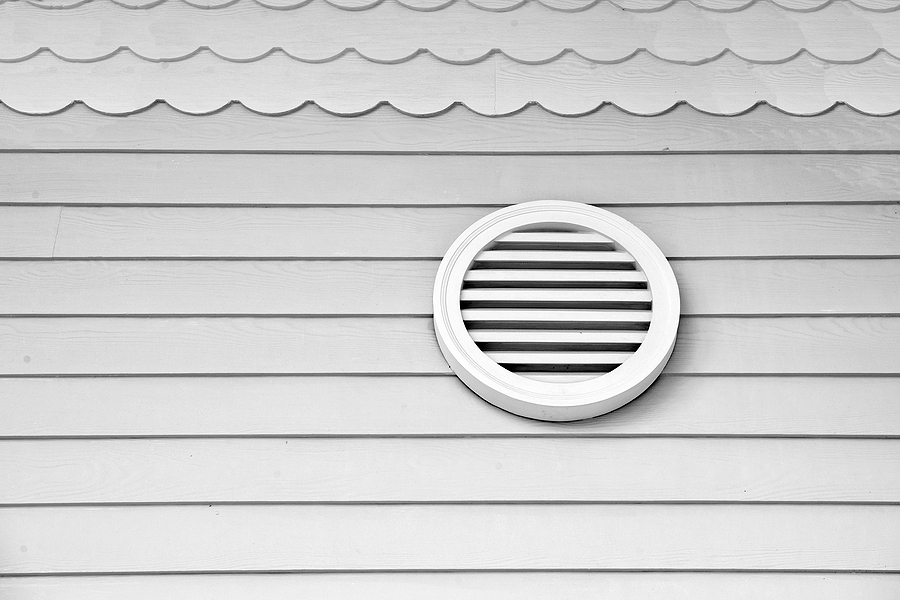
The process for whole home ventilation is pretty straightforward. These systems work best when installed in unfinished attic spaces with room for the fan and ventilation in the space and the roof. When this fan is started, it vents the stale air in your home outside while pulling in fresh air through open windows, gaps, and other unsealed areas of your home (typically areas around windows and doors). This results in an air change (also known as an air exchange) where all the air in your home is replaced by fresh air.
What Does Whole Home Ventilation Solve?
When active, a whole house ventilation system can provide your home with 30 to 60 complete air changes per hour, venting out stale air, air pollution, and humidity out of your home. Typically, these air exchanges provide two major benefits: health and comfort.
- Home Health: Your home’s air quality has a major impact on your and your loved ones’ health. Cycling out air in your home can remove “stale air,” which often contains air pollution, from dust and allergens to significantly more serious issues like mold spores or toxic gases from improperly vented systems.
- Home Comfort: Beyond removing unpleasant, stale air, whole home ventilation can also improve home comfort by removing excess humidity, odors—such as those from cooking —and spaces that are too hot or too cold.
Learn more about home health and comfort in our blog, What is the Whole Home Approach to House Health & Comfort?
Pros of Whole Home Ventilation Vs. Other Air Systems
The advantage of a whole home ventilation system over other air-exchange systems is convenience and lower cost. There are more complex systems on the market, including those integrated into HVAC and other smart home systems, but they require a much greater investment—as well as longer installation and construction times in your home. Whole home ventilation can solve almost all of the same problems for less cost and construction time.
Whole Home Ventilation Services in St. Louis
Of course, the best way to know whether a whole home ventilation system is right for you is to start with a comprehensive whole home evaluation. At Greenmark Home Performance, our goal is to deliver a healthier and more comfortable home through air sealing, ventilation, and remodeling solutions, alongside improved energy efficiency. Give us a call at (314) 845-9144 or fill out our contact form to learn more. Talk to you soon!